Confidence in Underground Hydrogen Storage – Webinar Replay Now Available
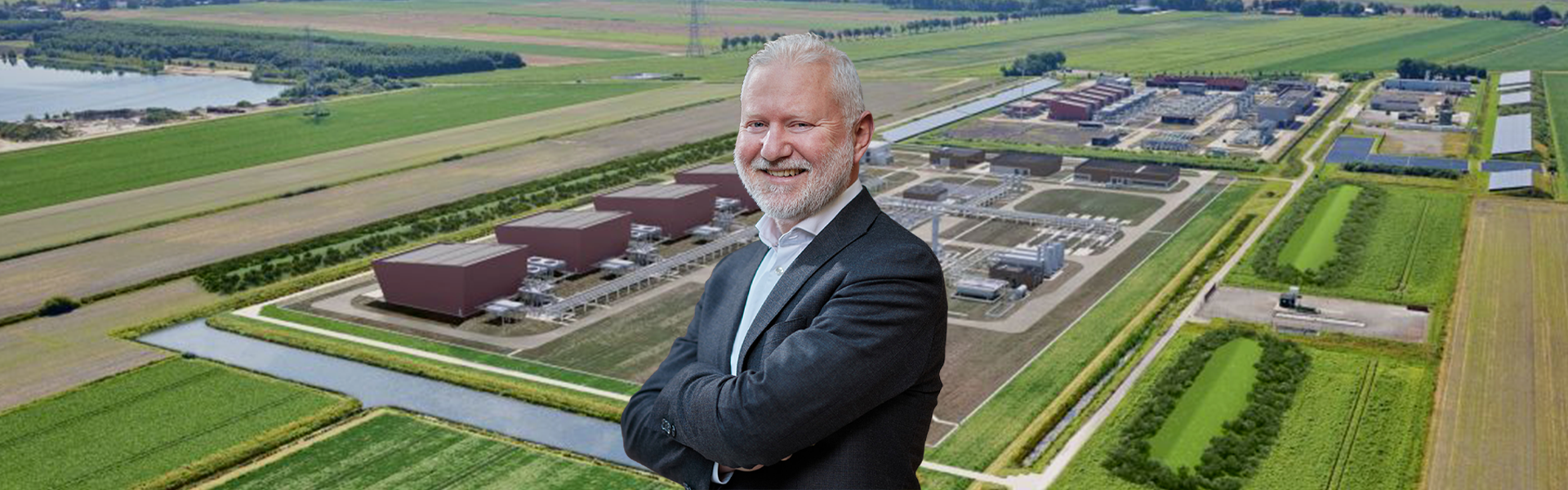
On 17 december 2025, HEAVENN hosted the webinar “Confidence in Underground Hydrogen Storage (UHS) in Zuidwending, The Netherlands”, exploring how real-world operational experience can help strengthen public trust, one of the most decisive success factors for large-scale hydrogen deployment. In this session, Eddy Kuperus (Gasunie) shared lessons from underground hydrogen storage demonstrations and explained why technical performance alone isn’t enough: building confidence also depends on policy, markets, and societal acceptance.
Click here to watch the webinar replay.
About the Webinar
Moderator: Tatiana Block – New Energy Coalition | Sr. Project Manager HEAVENN
Speaker: Eddy Kuperus – Gasunie | Business Development Hydrogen Storage (UHS)
Key Topics Covered
Why Underground Hydrogen Storage Matters
Underground hydrogen storage can provide large-scale, long-duration storage to help balance the variability of renewable energy and support security of supply. It also enables broader hydrogen applications across industry and mobility by helping match supply and demand over time.
Putting Storage Scale into Perspective
A key insight from the webinar is the sheer scale difference between underground storage and many familiar storage options. Salt caverns and (potentially) depleted gas fields can store very large energy volumes—making them a cornerstone option when the goal is system-wide balancing rather than short-term buffering.
Hydrogen vs. Natural Gas: Safety, Materials, and Standards
While underground gas storage has decades of experience, hydrogen behaves differently: it requires less energy to ignite and has wider explosion limits, it is lighter, and it can be more reactive—raising questions about materials compatibility, impurities, and operational design. The webinar also highlighted the current gap in widely adopted norms and standards specific to hydrogen storage.
What the Zuidwending Demonstration Taught Us
Gasunie began a hydrogen storage pilot in 2018 to test cavern integrity, component suitability, operational procedures, and potential chemical or bacterial reactions. Based on findings shared in the session, the pilot did not reveal reasons why hydrogen could not be stored in a similar way to natural gas—supporting confidence in technical feasibility.
Hydrogen Quality and Impurities: An Emerging Discussion
A recurring theme was hydrogen quality: the sector is still converging on standards, and perspectives differ on whether the system should require very high purity or allow more impurities (particularly when reusing existing storage assets). The session also touched on ongoing efforts toward European alignment on hydrogen quality requirements.
Confidence Across the Four Quadrants
Eddy Kuperus framed successful hydrogen storage development through four “confidence quadrants”:
- Technical (safe, proven operation)
- Governmental (political support and enabling regulation)
- Societal (acceptance and perceived safety)
- Economic/System (market demand and integration into infrastructure)
This model underlines that public trust is built not only through technical proof, but also through governance, transparency, and clear value creation.
Broader Lessons
The webinar emphasized several practical, transferable lessons for hydrogen storage and wider hydrogen infrastructure projects:
- Technical feasibility is essential—but must be matched by market development, policy support, and societal acceptance.
- Early pilots help mature the supply chain, create capable suppliers, and build the skills and safety culture needed for scale-up.
- Public acceptance can be strengthened when projects minimize nuisance and clearly communicate benefits and safety, including the “perceived safety” dimension.